Open now — 24/7, holidays included Main (480) 237-4922
El Mirage Emergency Room & Medical Center by Instinctive Health logo: EL MIRAGE in grey, EMERGENCY ROOM in red, beside three figures over a red cross in a grey circle.
Menu
Call (480) 237-4922 Patient Portal

Open now — 24/7, holidays included
12000 N El Mirage Rd, El Mirage AZ
Billing (480) 339-4825

24/7 Emergency Room

24/7 Emergency Room in El Mirage — What We Treat and What to Expect

Open 24 hours a day, 7 days a week, 365 days a year. Walk in — no appointment, no referral. You are seen by a board-certified physician, and CT, X-ray and laboratory work happen here in the building — staffed around the clock — so answers come back during your visit. Ultrasound is called in from a mobile service.

If this is a medical emergency, call 911.

12000 N El Mirage Rd, El Mirage, AZ 85335 · (480) 237-4922
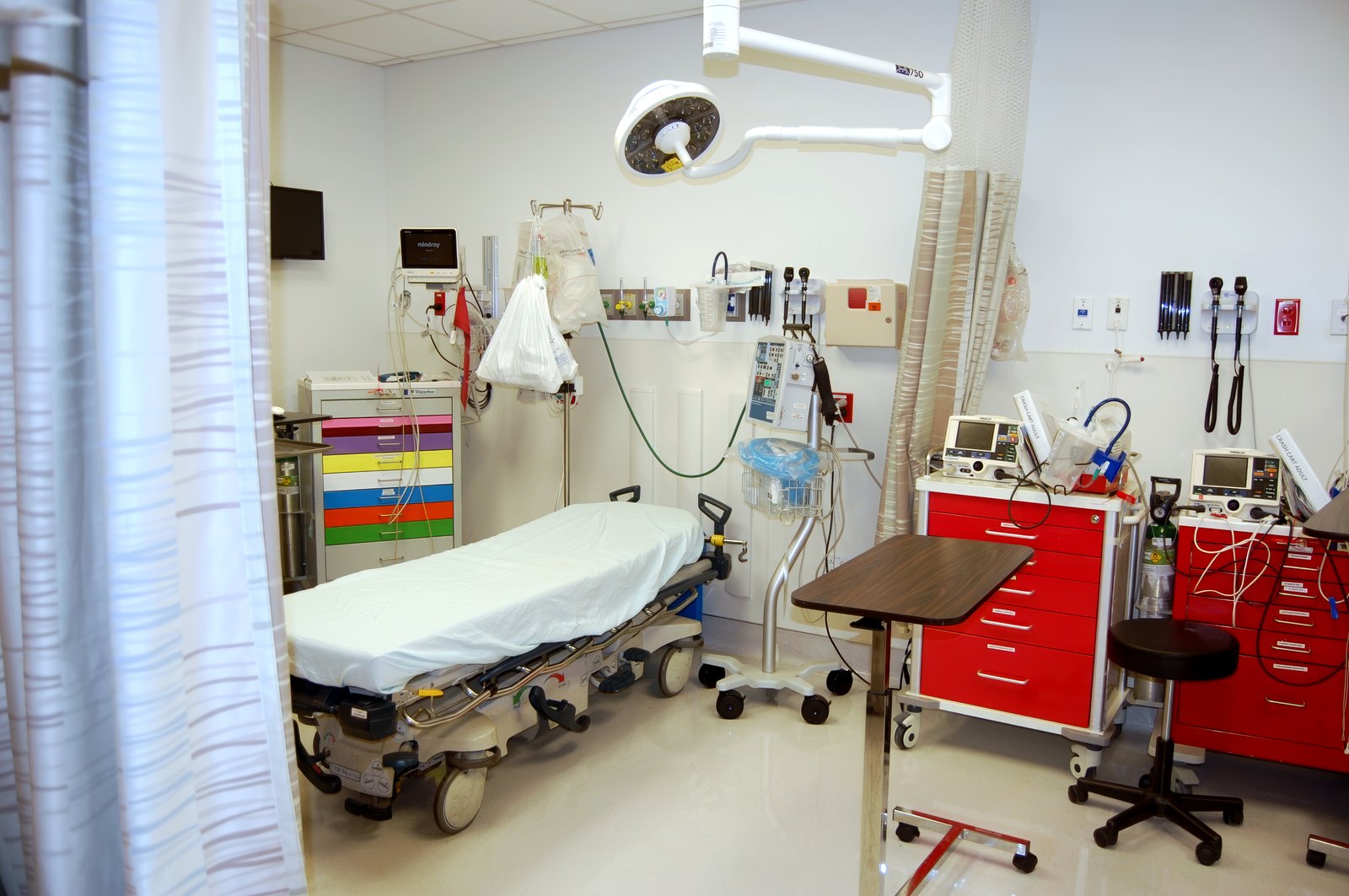
An empty treatment room at El Mirage ER — a gurney beneath an overhead procedure light, a crash cart, monitors, and diagnostic instruments mounted on the wall.

Open every hour of the year

24/7/365. Walk in — no appointment and no referral.

Imaging and lab in the building

Answers come back during your visit rather than days later.

A full-scope emergency room

To Arizona standards. What that means is set out below.

What we treat

This is a full-scope emergency room to Arizona standards. That phrase does a lot of work, so here is what it means in practice.
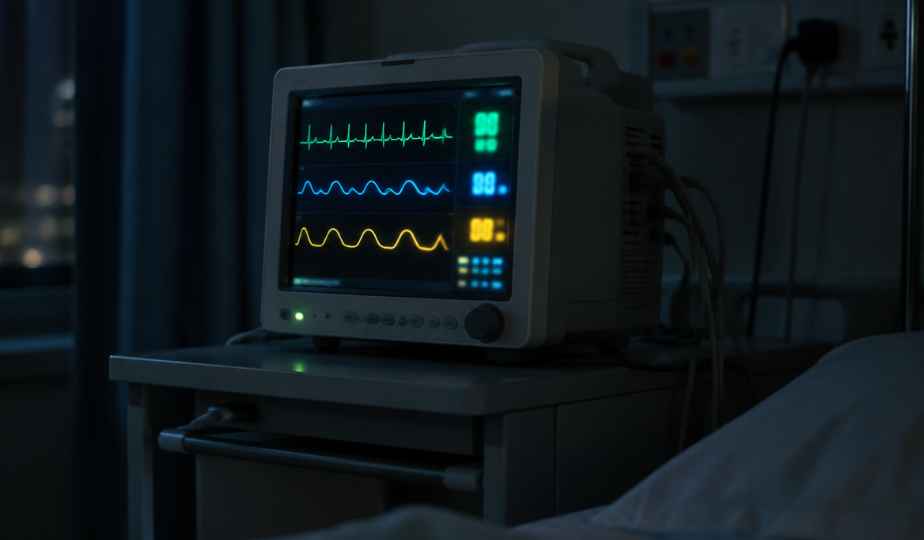
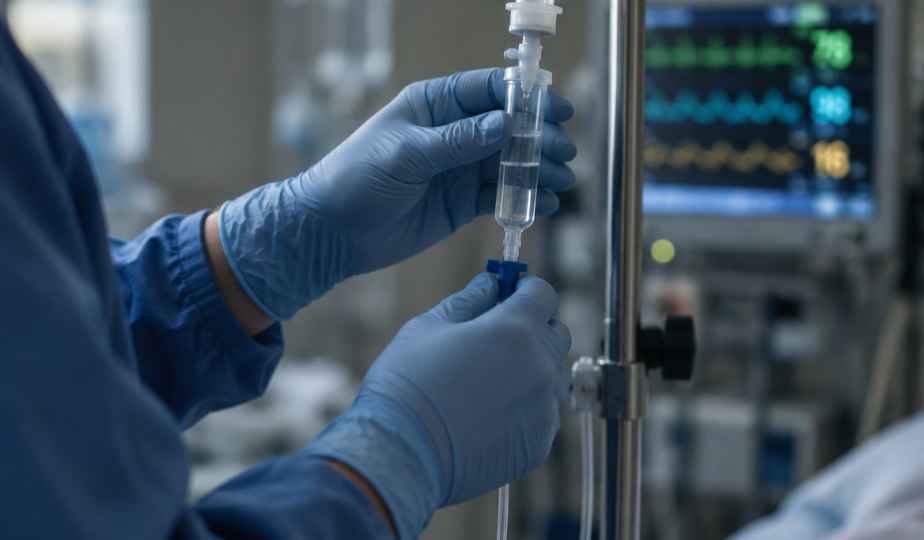
A bedside monitor tracing a pulse

Chest pain, heart and stroke

Chest pain or pressure, pain spreading to the arm or jaw, an irregular or racing heart, breathlessness that came on suddenly. And the stroke signs — sudden weakness, drooping on one side, confusion, trouble speaking or understanding.

These are the presentations where the building matters most, because a CT scanner and a lab in the same corridor are the difference between finding out now and finding out after a transfer.

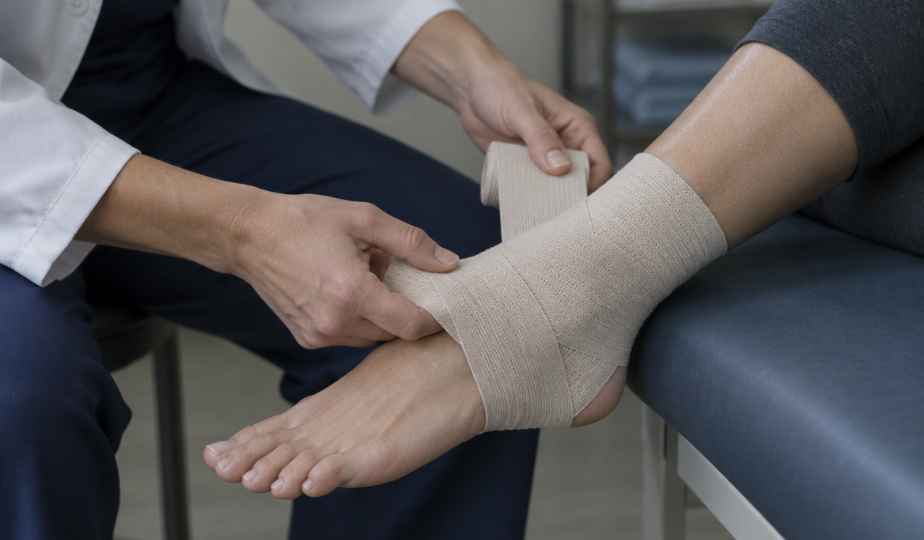
An ankle being bandaged

Injury and trauma

Falls, fractures, dislocations, sprains where weight-bearing is not possible, deep cuts needing repair, crush injuries, head injuries, and burns. On-site imaging means a suspected fracture is confirmed or ruled out during the visit rather than referred onward.

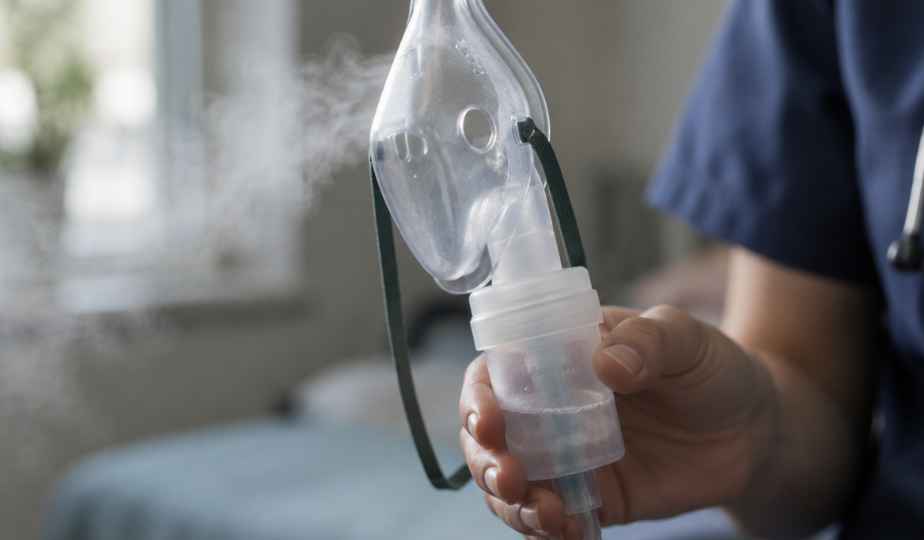
A nebulizer mask

Breathing problems and respiratory illness

Asthma attacks, pneumonia, COPD flare-ups, croup, and breathlessness of unclear cause. Severe difficulty breathing is always an emergency.

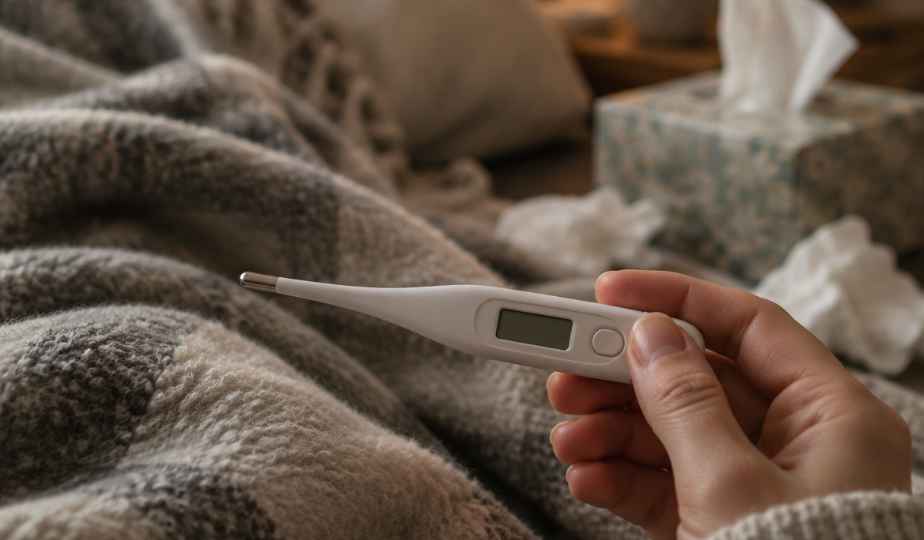
A thermometer in hand

Infection and fever

High fever, severe or spreading infections, fever in an infant, and the kind of illness that has stopped responding to anything done at home.

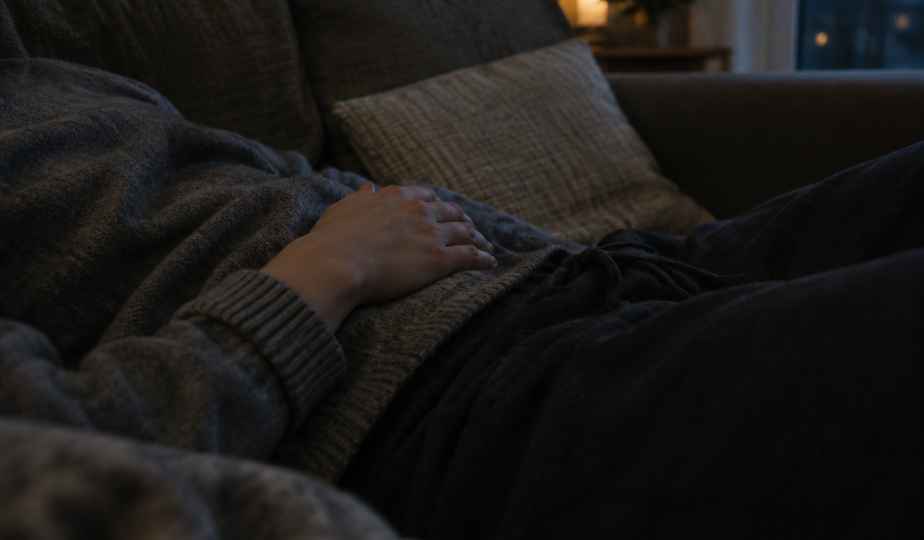
A hand resting on an aching abdomen

Abdominal pain

Severe or sudden abdominal pain, persistent vomiting, and pain with fever — presentations where imaging and bloodwork in the same visit genuinely change the answer.

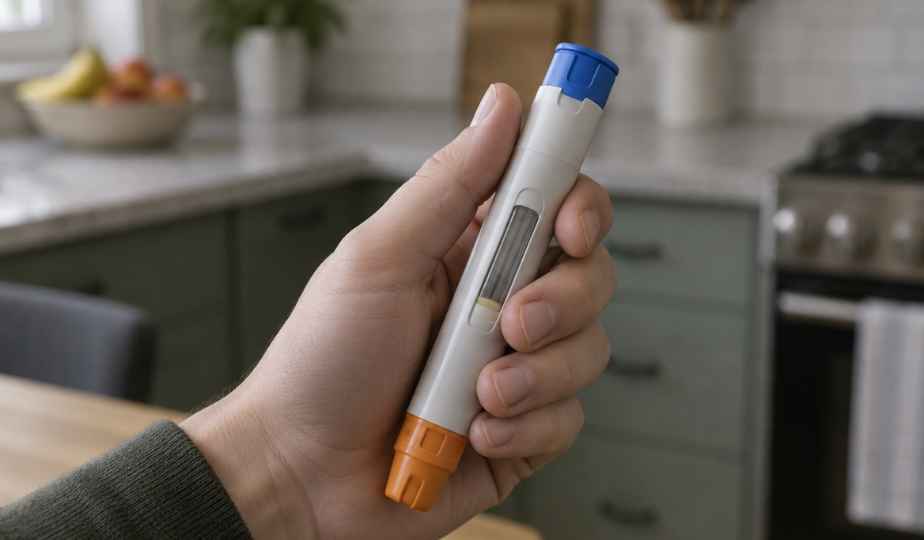
An adrenaline auto-injector

Allergic reactions

From reactions that need treatment and observation through to anaphylaxis — swelling of the face or throat, difficulty breathing, collapse. Anaphylaxis is a 911 call if it is developing quickly.

A water bottle in the desert sun

Dehydration and heat illness

Dehydration that has outrun what drinking can fix, heat exhaustion that is not improving, and heat stroke. In an Arizona summer these are among the most common reasons people come in, and the heat illness and dehydration guides cover how to tell when it has crossed the line.

Rocky desert ground

Bites and stings

Scorpion stings and rattlesnake bites — both of which a full-scope emergency room can treat, and both of which have their own guide because the right first response differs so much between them.

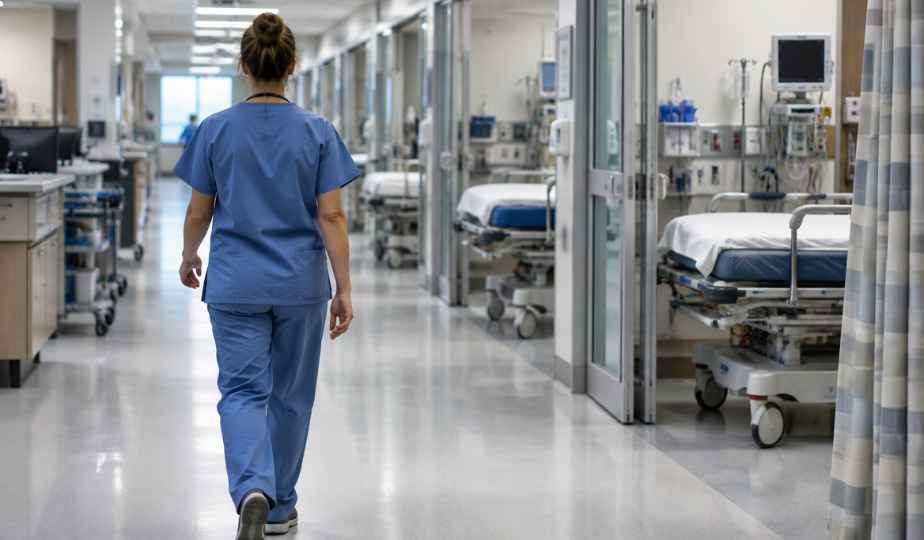
Down the treatment corridor — patient rooms on one side, the nurses’ station on the other.

When to come in

The list above is what this building can treat. This is the shorter, more useful version: the presentations to come in for, and the ones where the first move is a phone call rather than a car journey.

If this is a medical emergency, call 911.

Call 911 rather than driving if someone cannot travel safely or is getting worse quickly. An ambulance starts treatment on the way.
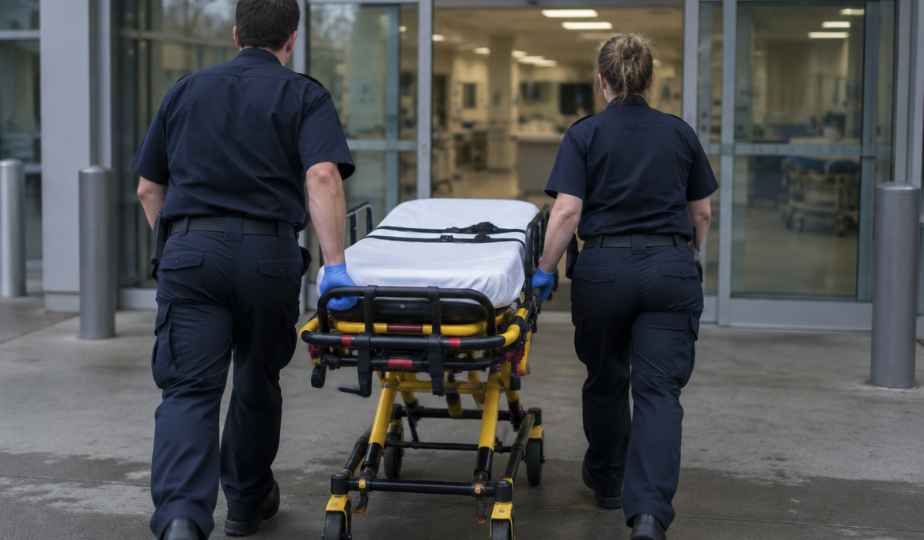
Crews continue treatment through the doors.
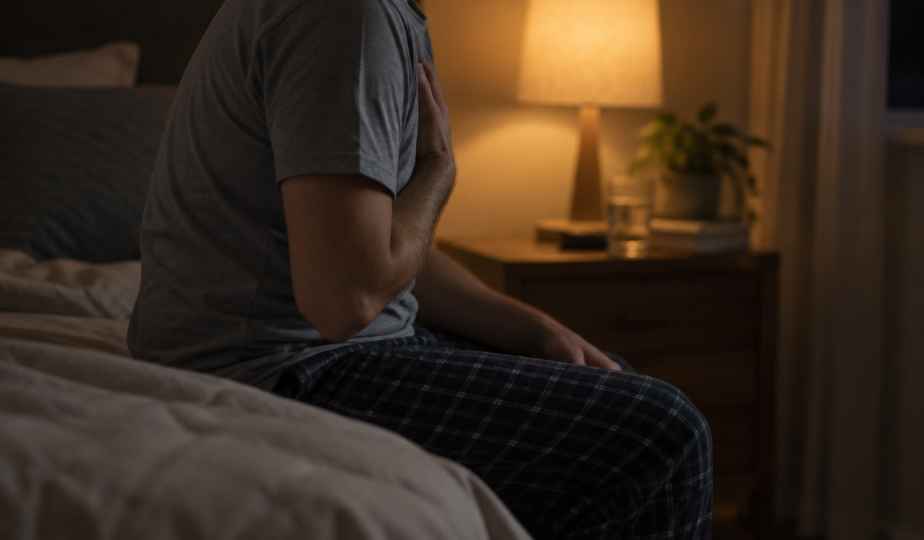
A man sits on the edge of a bed at night with one hand pressed to his chest, lit by a single bedside lamp.

Heart, breathing and stroke

Chest pain or pressure — Including pain spreading to the arm, jaw or back, or breathlessness with it. Do not wait to see whether it passes — call 911.

Stroke signs — Sudden weakness, drooping on one side, confusion, or trouble speaking or understanding. Call 911, not a car — treatment can start in the ambulance.

Trouble breathing — Asthma, a chest infection, or breathlessness you cannot account for. If someone cannot finish a sentence, call 911.

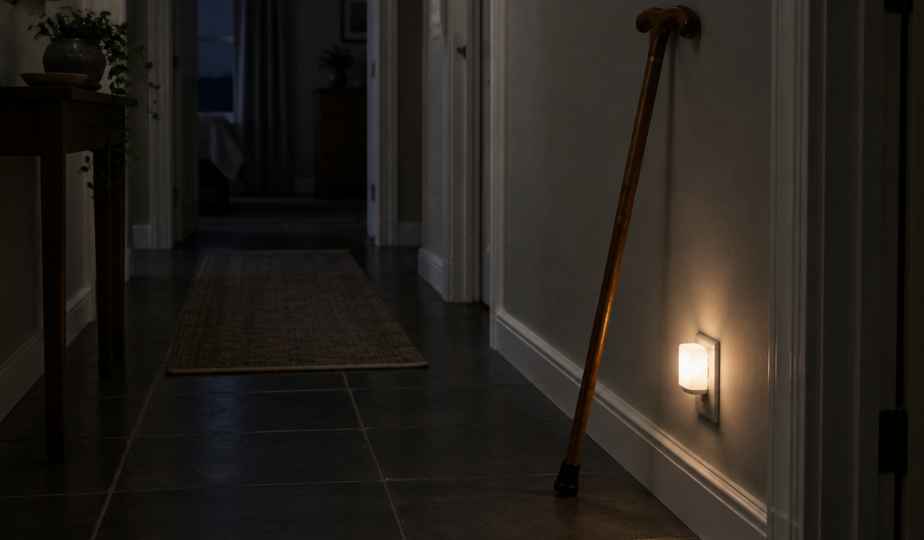
A dark tiled hallway at night, a walking stick leaning against the wall and a small nightlight glowing near the floor.

Injuries, falls and head knocks

Injuries, fractures and deep cuts — If you cannot put weight on it, it looks the wrong shape, or the bleeding will not stop, come in. How much it hurts does not tell you whether it is broken.

Head injury — Come in even feeling fine if you take a blood thinner — including aspirin. A bleed can declare itself hours later.

A seizure — Call 911 for a first seizure in anyone, for a seizure that does not stop, or if the person does not come round properly afterwards. Come in after any seizure that is new or different from the usual pattern.

An empty residential street in a Sonoran desert suburb on a summer afternoon, heat shimmering off the asphalt.

Heat, dehydration and desert stings

Heat illness — Confusion, stopping sweating, or not improving out of the heat. Heat stroke is a 911 call and minutes matter.

Dehydration — When drinking is no longer keeping up — dizziness on standing, very little urine, or a child who will not take fluids.

Scorpion stings — Most are painful and settle. Come in for a young child, for drooling or difficulty swallowing, or for muscle jerking.

Rattlesnake bites — Always an emergency, even when the bite looks minor and hurts little. Call 911 and do not apply ice or a tourniquet.

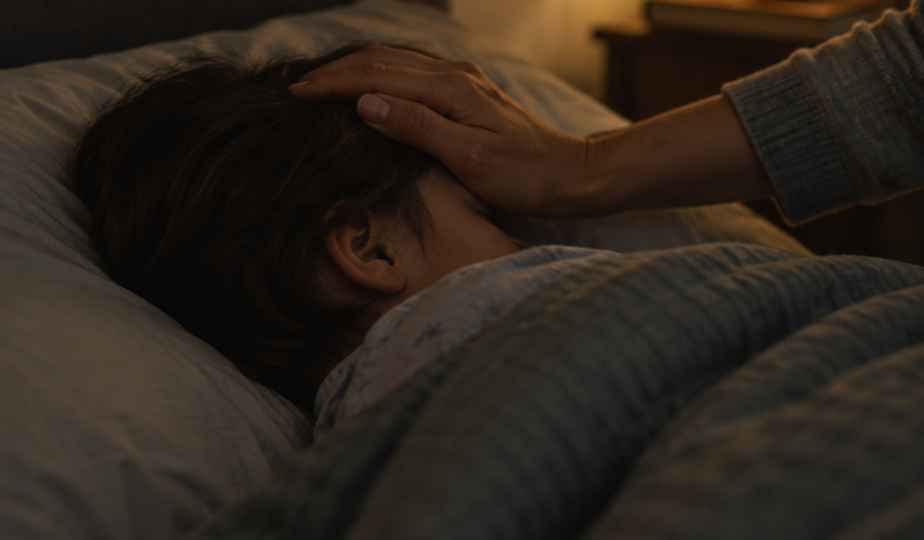
An adult’s hand resting gently on a sleeping child’s forehead in a dim bedroom.

Children, fever and sudden pain

High fever, or fever in an infant — Any fever under three months old should be seen the same day. At any age, a rash that does not fade when pressed is a 911 call.

Allergic reaction — Swelling of the lips or throat, or any trouble breathing, is a 911 call. Use your own adrenaline injector first if you have one.

Severe or sudden abdominal pain — Especially with fever, persistent vomiting, or pain that arrived in minutes rather than hours.

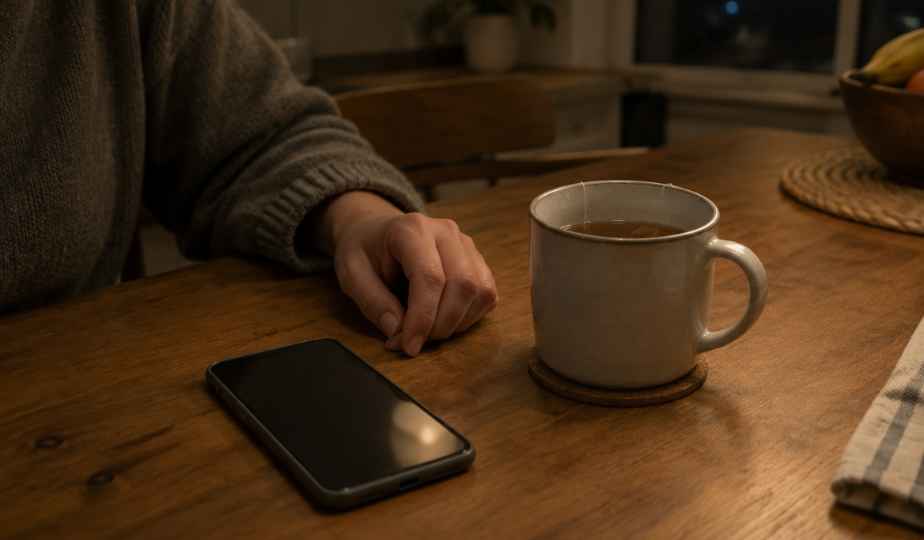
A kitchen table at night: a phone lying face up beside a half-finished mug of tea, one hand resting near it.

When you are not sure, or not safe

Thoughts of harming yourself, or not feeling safe — Call or text 988 first — free, confidential and staffed around the clock. You can also walk in: we treat and stabilise you here, and if you need psychiatric admission or specialist crisis care we arrange the transfer.

Not sure, and worried — Come in, or call and describe it on (480) 237-4922. You are not expected to diagnose yourself and you are not wasting our time.

This is the same list as the homepage, deliberately — if something is worth coming in for, it should say so in the same words wherever you read it.

What is in the building

This is the part that separates an emergency room from an urgent care, and it is checkable rather than a matter of tone.

CT scannerOn site
X-rayOn site
UltrasoundCalled in from a mobile service
Full laboratoryOn site, staffed around the clock — results during your visit
PhysicianYou are seen by a board-certified physician, every visit
Hours24 / 7 / 365

An urgent care that suspects something serious has to send you to an emergency room to begin again. Everything needed to find out is already here.
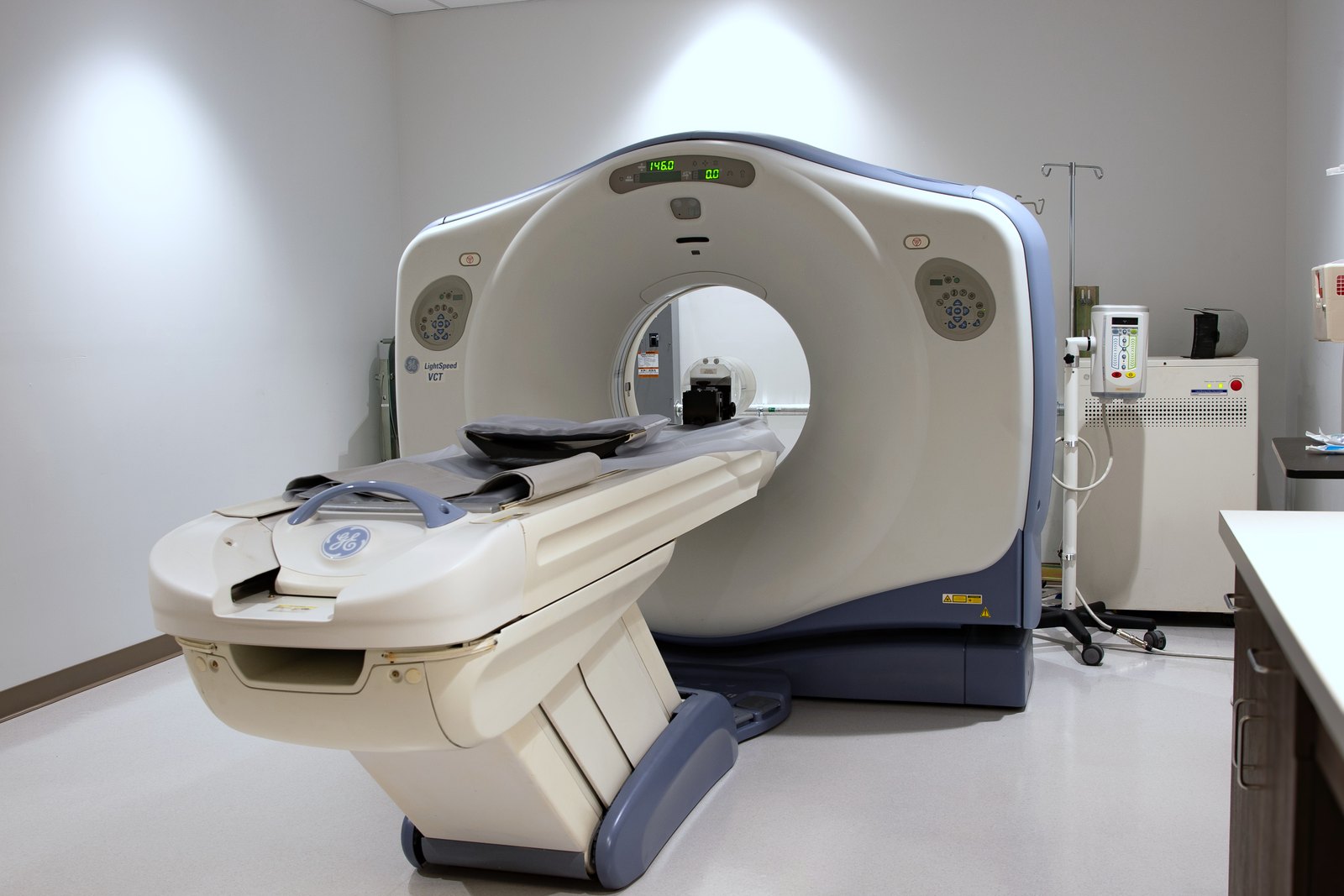
A CT scanner at El Mirage ER — the circular gantry with its patient couch extended, in an empty scanning room.

CT scanner

On site, in its own room.

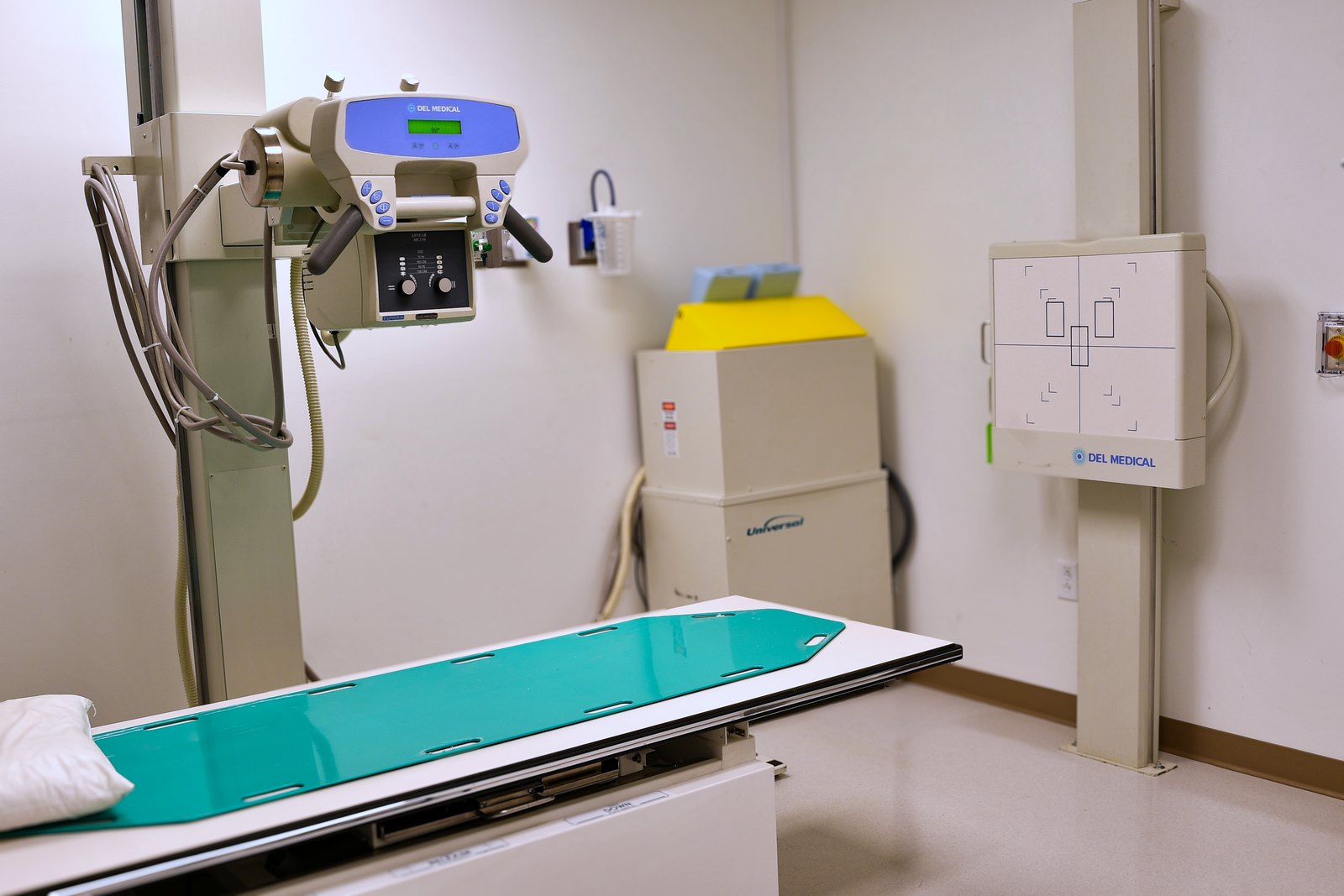
An X-ray room at El Mirage ER, with a column-mounted tube head, a green-topped patient table, and a wall-mounted detector panel.

X-ray

The fixed room. There is a portable unit as well.

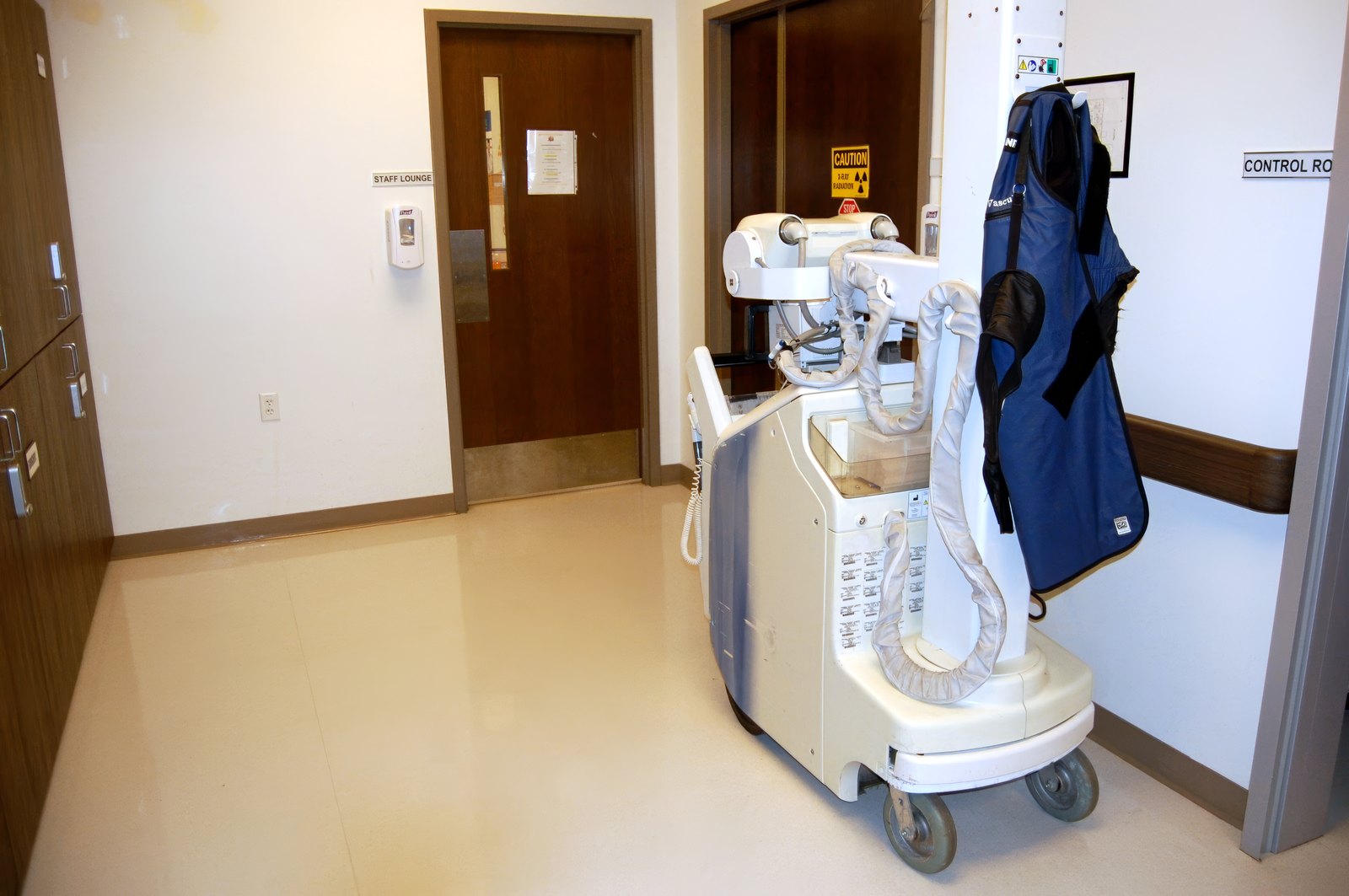
A portable X-ray unit standing in a corridor at El Mirage ER, with a lead apron hanging on its hook.

Portable X-ray

Ours too — it lives in the corridor.

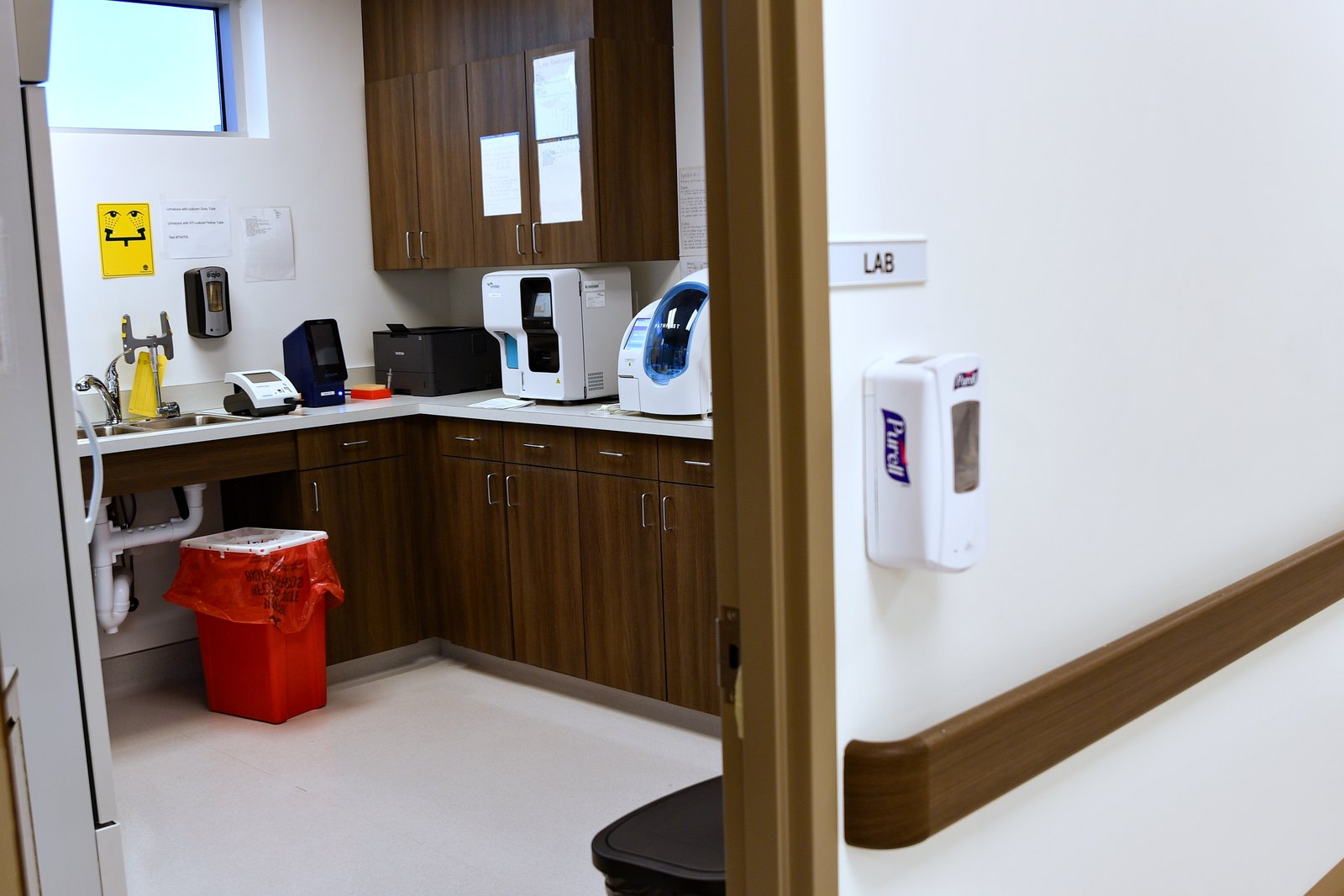
The on-site laboratory at El Mirage ER, with benchtop analysers on the worktop.

Full laboratory

On the bench, in the building. Results during your visit.

These are the machines, in this building — photographed where they stand. Not a partner site down the road, and not something that arrives in the morning. Ultrasound is called in from a mobile service, which is why it is in the table above and not in the photographs.

There is also a critical care room at this location — and at every Instinctive Health emergency room — for the presentations that need one.

How long you will be here

There are wait times. Any emergency room that tells you otherwise is selling something.

What we can tell you is what our own records show:

Under 30 min

The average time from arriving to being seen has stayed under 30 minutes year round.

About 1.5 hrs

The average visit, from walking in to walking out.

And the part that matters more than either number: if someone arrives sicker than you, they will be seen first. That is how an emergency room is supposed to work, and it is the main reason any individual wait can run longer than an average. We would rather tell you that than promise you a time.

What is competing for your turn

This part needs no statistics, because it follows from how the two kinds of building are organised rather than from how hard anyone is trying:

Here

Other emergency patients

A hospital emergency department

Emergency patients, plus inpatient admissions and ambulance traffic

There is no inpatient hospital attached, so you are not waiting behind patients who need a bed upstairs.

We are not absorbing ambulance diversions from a regional trauma catchment.

One department, not a campus. You park at the door rather than navigating a hospital to find the ER entrance.

Everyone here is an emergency patient. There is no clinic schedule competing for the same physician's afternoon.

None of that is a promise about your visit. It is a difference in how the two models work, and it is checkable from the outside.
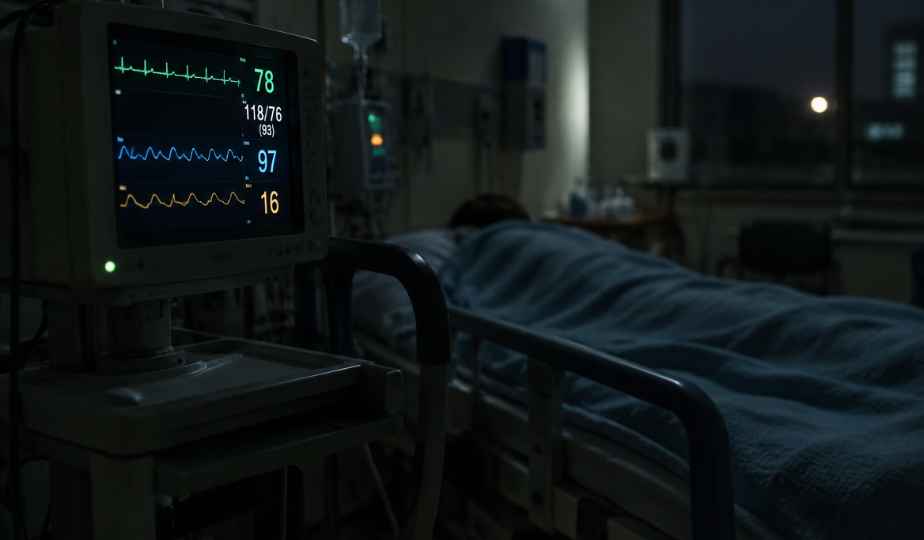
Monitored overnight, decision made with more information.

We can hold and monitor you here for up to 24 hours.

Not every visit resolves quickly — sometimes the right answer is to watch you, repeat a test, and see which way things go.

That matters more than it sounds. At a facility without it, the alternative is being sent to a hospital simply because nobody can keep you. Being observed here means the decision gets made with more information, and for many people it means going home instead of being admitted.

What to expect

Walk in. There is nothing to book and nobody to get a referral from. Bring photo ID, your insurance card and a list of your medications if you have them — and come anyway if you do not.

You are seen by a board-certified physician. If imaging or laboratory work is needed, it happens here, and the results come back during the visit rather than in a phone call days later.
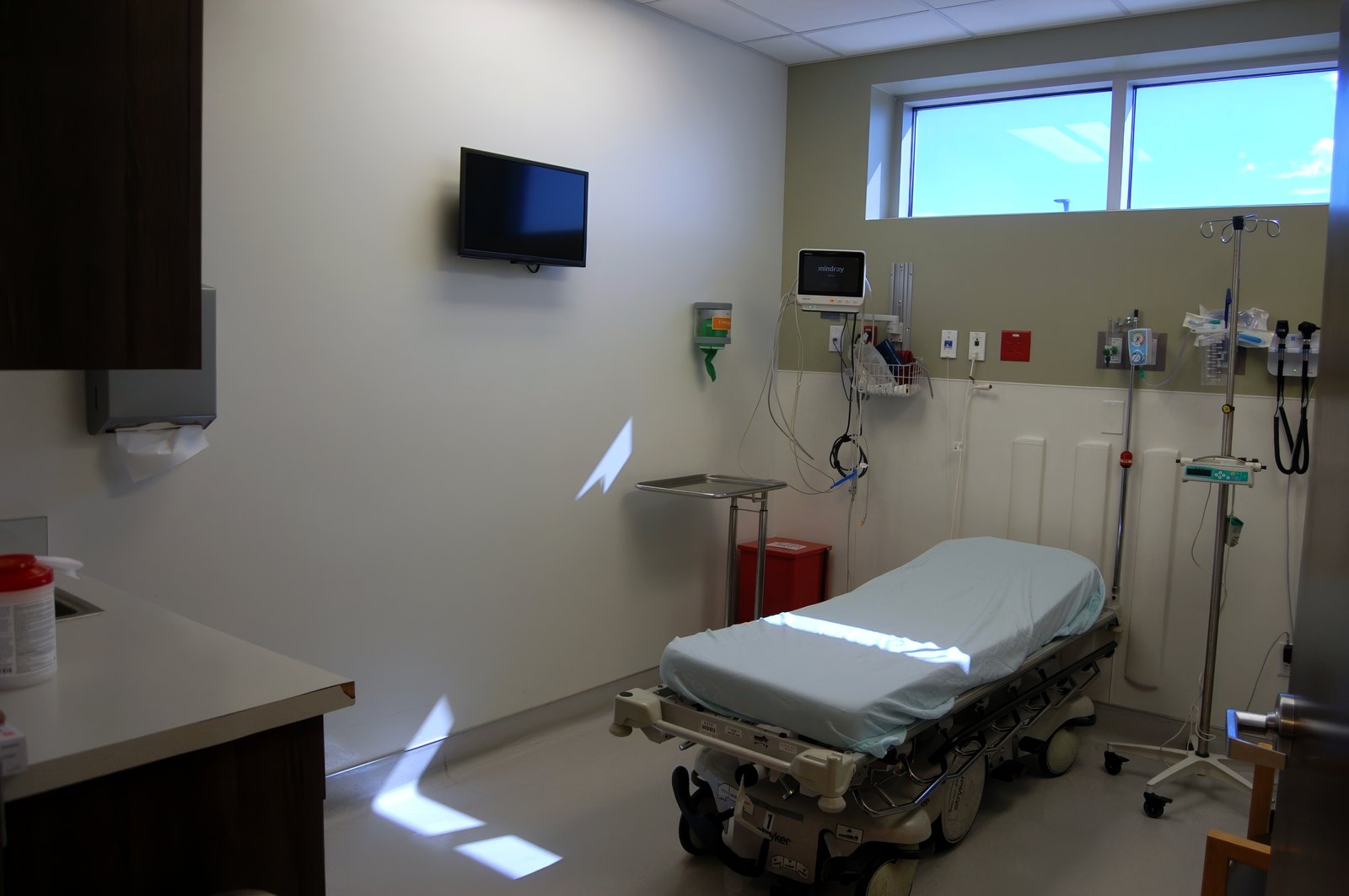
An empty treatment bay at El Mirage ER, with a made-up gurney, a wall-mounted monitor, and a window letting in daylight.

If you need a hospital

We are a freestanding emergency room, not a hospital, and it is better to know that now than to discover it during a difficult evening.

We provide emergency treatment and stabilise you here. If you need to be admitted, or need hospital-level inpatient care, we arrange the transfer to a hospital. That is the model this kind of facility runs on, and for the great majority of visits it never comes up — people are treated and go home.
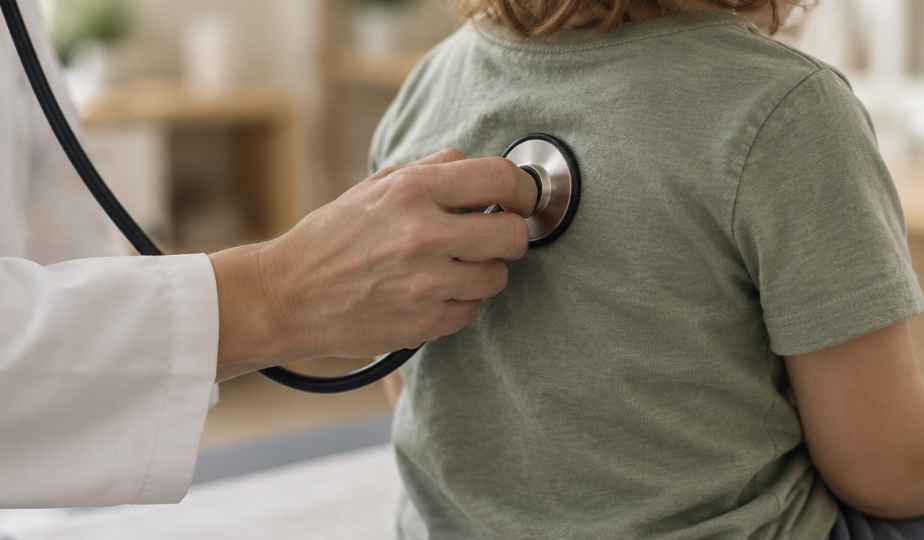
Children

We are not a pediatric emergency room, and we treat children every day. El Mirage and the cities around it have a lot of young families, and a large share of what comes through the door is children — fevers, injuries, breathing trouble, scorpion stings.

If your child needs emergency care, bring them in. If a child's condition is severe, or you cannot travel safely, call 911.

In-network benefits honored. No balance billing.

We honor in-network insurance benefits for emergency care, and we do not balance bill patients for emergency care they have received.

An Explanation of Benefits is not a bill. It is a statement from your insurer showing what they paid. People receive one, read it as a demand, and worry unnecessarily. If something arrives that you do not understand, call the billing team on (480) 339-4825 and ask.

And the straight version: an emergency room visit bills at emergency rates. For a sore throat, an urgent care will cost you less and is the right choice. For chest pain, cost is the wrong thing to be weighing. If you are not sure which situation you are in, we wrote a page about exactly that.

El Mirage ER — open 24 hours a day, 7 days a week.

12000 N El Mirage Rd, El Mirage, AZ 85335 · (480) 237-4922 · No appointment. No referral.

If this is a medical emergency, call 911.

Call (480) 237-4922 Get Directions

About your bill, before you worry about it

If something arrives from your insurance company after your visit, it is almost certainly not a bill. It is an Explanation of Benefits — a statement of what they paid. The large number on it is not what you owe.

For emergency care, federal law limits your share to the ordinary in-network copay, coinsurance and deductible your plan already sets. We do not bill you for the difference, and we never will.

If anything you receive is unclear, call us before you pay it. Our billing team would rather explain a statement than have you pay something you do not owe.

How billing works