December 15, 2025 in El Mirage Emergency Room, Health Tips

Holiday Heart Syndrome: What You Need to Know
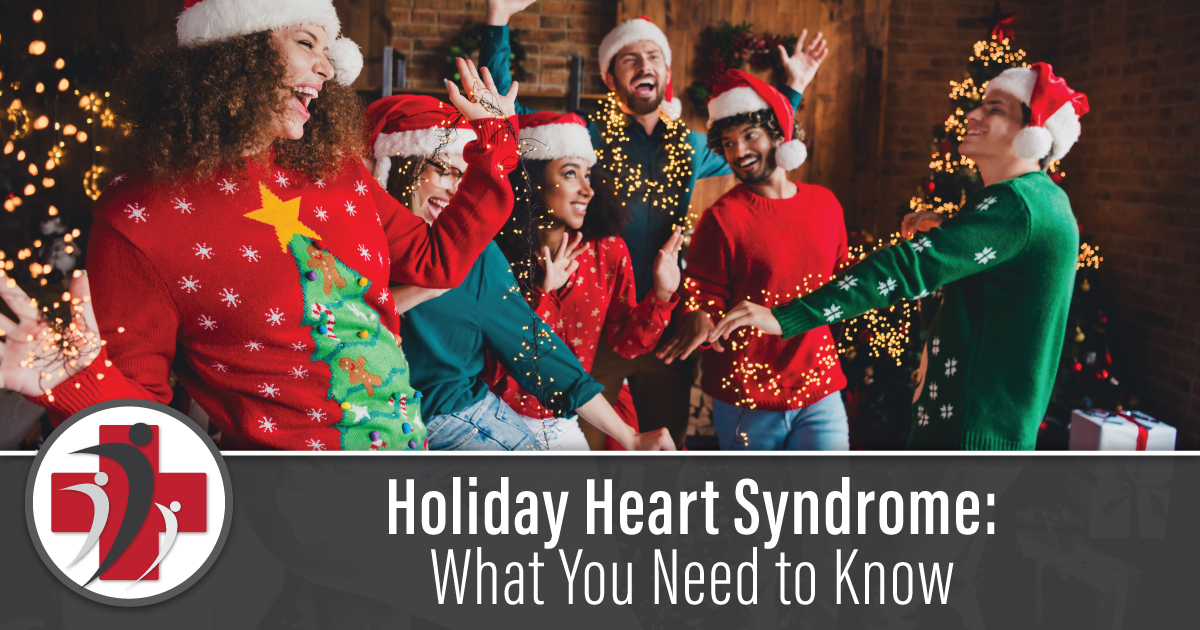
The holiday season is filled with celebrations, special meals, and moments of connection—but for some people, it also brings an unexpected health risk known as Holiday Heart Syndrome. At El Mirage ER, we want our community to understand this condition, recognize warning signs, and know when to seek emergency care.

What Is Holiday Heart Syndrome?

Holiday Heart Syndrome refers to episodes of irregular heartbeat, most commonly atrial fibrillation (Afib), that happen in otherwise healthy individuals during the holiday season. It often appears suddenly and is strongly linked to:

  • Increased alcohol consumption
  • Overeating or high-sodium meals
  • Emotional stress
  • Lack of sleep
  • Dehydration

Because these factors are more common during the holidays, cases tend to rise between Thanksgiving and New Year’s Day.

Why the Holidays Trigger Heart Rhythm Problems

Your heart is sensitive to changes in your body’s chemistry and stress levels. During the holidays:

  • Alcohol can irritate the heart’s electrical system, triggering arrhythmias.
  • Big, salty meals cause fluid shifts that make the heart work harder.
  • Stress hormones spike, increasing heart rate and blood pressure.
  • Dehydration, especially in Arizona’s dry climate, reduces electrolyte balance.
  • Lack of sleep disrupts heart rhythm stability.

Even healthy adults without heart disease can experience Holiday Heart Syndrome.

Who Is Most at Risk?

While it can affect anyone, risk is higher for:

  • Adults over 40
  • People who binge drink or drink more frequently during the holidays
  • Individuals with high blood pressure
  • People with sleep apnea
  • Those with a history of arrhythmias, heart disease, or thyroid disorders

If you fall into one of these categories, extra caution is recommended during the holiday season.

Symptoms to Watch For

Holiday Heart Syndrome often appears suddenly. Common symptoms include:

  • Rapid or irregular heartbeat
  • Fluttering or pounding sensations in the chest
  • Shortness of breath
  • Dizziness or lightheadedness
  • Fatigue or weakness
  • Chest discomfort
  • Feeling like your heart is “skipping beats”

If you experience these symptoms—especially if they come on after drinking alcohol or eating heavily—it’s important to be evaluated right away.

When to Seek Emergency Care

You should visit the ER immediately if you experience:

  • Chest pain
  • Severe shortness of breath
  • Fainting or near-fainting
  • A heart rate that remains very fast or irregular
  • Symptoms that last longer than a few minutes

Irregular heart rhythms can lead to serious complications, including stroke. At El Mirage ER, our team can perform rapid EKG testing, bloodwork, imaging, and monitoring to diagnose and treat arrhythmias quickly.

How to Prevent Holiday Heart Syndrome

The good news is that many cases are preventable. Here are simple ways to protect your heart during the holidays:

  • Drink alcohol moderately—if at all. Avoid binge drinking and alternate alcoholic beverages with water.
  • Watch your sodium intake. Holiday meals can be surprisingly high in salt, which can stress the heart.
  • Stay hydrated. Arizona’s dry air increases dehydration risk, especially during holiday activities.
  • Manage stress intentionally. Plan ahead, rest often, and say no to unnecessary commitments.
  • Stick to a healthy sleep schedule. Lack of sleep makes arrhythmias more likely.
  • Know your limits. If you have a history of heart issues, be extra cautious and follow your doctor’s recommendations.

El Mirage ER Is Here for You This Holiday Season

Whether you’re experiencing arrhythmia symptoms, chest pain, or any heart-related concern, our emergency physicians are available 24/7 to provide fast, thorough, and compassionate care. Your heart health is our priority, and early treatment can make all the difference.

Stay mindful, stay healthy, and enjoy a safe holiday season with the people you love.