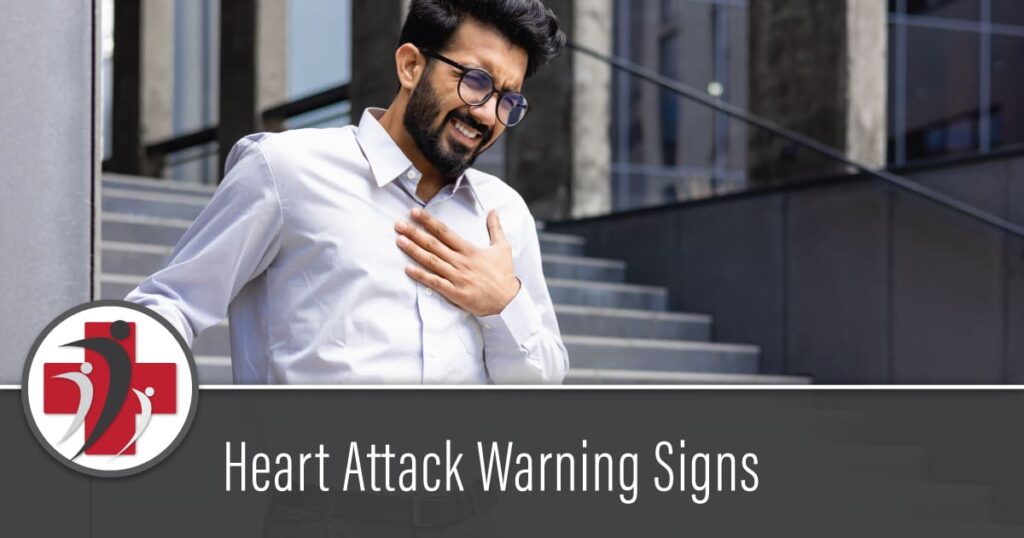
Heart attacks can be scary to think about, and while there are steps you can take to keep your heart healthy, it’s important to know what a heart attack looks like and how to identify if one is happening to you.
Chest Discomfort
This is far and away the most common symptom of a heart attack. This can feel like pressure or pain in the center of your chest, which most people say feels like an elephant sitting on your chest. You might also experience pain radiating down your arms, or in your neck, back, jaw, or stomach.
Shortness of Breath
Usually tied to chest discomfort, it can happen independently of other symptoms and might also lead to feeling lightheaded or anxious.
Some other common heart attack symptoms include:
- Nausea
- Vomiting
- AnxietyIndigestion
- Cold Sweat
- Fatigue
- A sense of impending doom
What to do in the event of a heart attack
The first thing you should do if you believe you or a loved one is having a heart attack is to call 911 and wait for an ambulance. If you don’t have access to emergency medical services, drive them to the nearest hospital. If you are alone and think you are having a heart attack, wait for an ambulance and only drive if there is no other option.
To help prevent clotting and further damage, take Aspirin if you aren’t currently taking other medications.
If someone is unconscious, check for their pulse and if they’re breathing. If they aren’t, then begin CPR. If you’re untrained in CPR, you can perform hands-only CPR. Push hard and fast on the person’s chest at 100 to 120 compressions a minute. If you’re trained in, start with 30 chest compressions before giving two rescue breaths.